Communication Tower Manufacturer

Cellular on Wheels (COW): The Ultimate Guide to Rapid Deployment Towers for Disasters and Events

Home Blog

Cellular on Wheels (COW): The Ultimate Guide to Rapid Deployment Towers for Disasters and Events

Cellular on Wheels (COW): The Ultimate Guide to Rapid Deployment Towers for Disasters and Events
May 28, 2026

The cellular network has become as essential as electricity and water in modern society. When connectivity fails—whether from a hurricane, earthquake, or sudden demand surge from a major event—the consequences are immediate and severe: stalled emergency response, stranded civilians, and missed business opportunities. Enter the Cellular on Wheels (COW) : a self-contained, trailer-mounted mobile cell site engineered to restore and augment network capacity within hours, not months. This guide provides a professional technical overview of COW systems, their engineering principles, deployment considerations, and lifecycle economics for telecom engineers, network planners, and emergency response coordinators.

cell tower on wheels


Technical Definition and Core Architecture

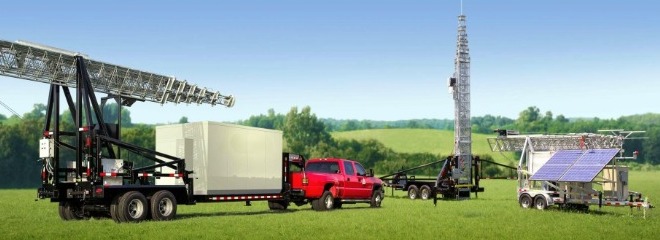
A COW is a portable cellular base station mounted on a trailer or heavy-duty truck chassis, designed to provide temporary 4G and 5G coverage in locations where permanent infrastructure is unavailable, compromised, or insufficient. Modern systems integrate six core subsystems:
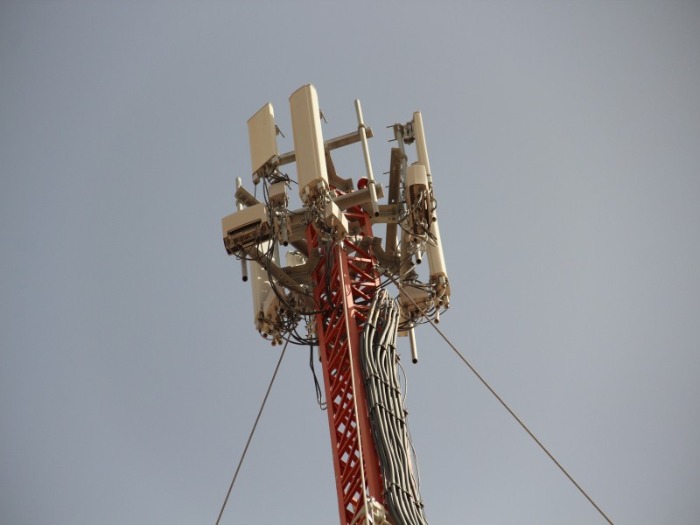
  1. · Antenna and Radio Systems: Multiple high-gain directional antennas, either omni-directional or sectorized, for transmitting and receiving cellular signals across multiple frequency bands simultaneously. They support GSM, CDMA, LTE, and 5G technologies, with multi-band compatibility ensuring seamless integration with existing core networks.
  2. · Telescoping Mast: The centerpiece of the COW is a multi-stage telescopic tower—engineered with high-strength steel or aluminum alloys—that elevates the antennas for optimal coverage geometry. Heights typically range from 8 to 40 meters. Quality systems deploy lift times of 20–30 minutes to full extension.
  3. · Backhaul Connectivity: COWs connect to the core network via fiber optics, microwave links, or satellite backhaul—or a combination thereof. The NSW Telco Authority's fleet, for example, uses Starlink and OneWeb for independent operation when fixed networks are down.
  4. · Power Supply and Management: Integrated generators (typically 5 kW to 60 kW) provide primary power, with battery backup systems ensuring uninterrupted operation during refueling. Solar and hybrid systems offer extended endurance in remote deployments.
  5. · Environmental Protection: Weatherproof enclosures rated IP55 or higher protect sensitive electronics from dust, moisture, and temperature extremes. Dual HVAC systems and active thermal management ensure reliable operation from -40°C to +55°C.
  6. Control and Monitoring: Remote telemetry systems provide real-time performance monitoring, fuel level tracking, GPS location, automated failover, and remote diagnostic capabilities for proactive issue resolution before dispatch.

portable cell tower


Rapid Deployment as a Strategic Capability

The defining advantage of a COW is deployment speed. Permanent towers require months for permitting, foundations, and construction. A COW can be operational within 30 minutes to 8 hours of arrival, depending on size and complexity. Some specialized units, such as Compact Rapid Deploy (CRD) mini-COWs, achieve setup in less than 15 minutes.

The deployment sequence follows a structured engineering procedure: The trailer is positioned on level ground with a firm surface; hydraulic outriggers deploy and level the chassis via laser-guided auto-leveling systems, compensating for slopes up to 15 degrees; the telescoping mast is tilted to vertical by hydraulic or pneumatic rams and extended section-by-section with integrated locking mechanisms; antennas and RRUs are installed after mast elevation; the generator is started or mains power connected; and the system is commissioned via remote NOC.

Australia's NSW Telco Authority commissioned a fleet of self-powered, trailer-mounted broadband COWs in late 2024. These units can be dispatched to disaster zones within hours, covering an area up to 500 meters—with multiple units linked to extend coverage further. During Ex-Tropical Cyclone Alfred in March 2025, which caused widespread power outages across northern NSW, the NSW Telco Authority deployed COWs to evacuation centers in Kingscliff, Murwillumbah, and Ocean Shores. Residents accessed free wi-fi to contact family, access emergency information, and place Triple Zero calls when mobile networks were unavailable.

True Corporation deployed three COW units to reinforce 5G/4G coverage following a catastrophic road collapse at Vajira Hospital in Bangkok in September 2025, ensuring uninterrupted communication for patients, relatives, and rescue teams. During severe flooding in Hat Yai in November 2025, the same operator deployed COWs at evacuation shelters and hospitals as part of a coordinated cross-sector disaster response.

The most demanding applications require heavy-duty engineering. A 40-meter COW—with 5–6 telescoping sections, gross weight of 25–35 tons, and transportable by Class 8 semi-truck—delivers 95% coverage restoration in the immediate aftermath of a major earthquake, as demonstrated after the 2023 Morocco earthquake.
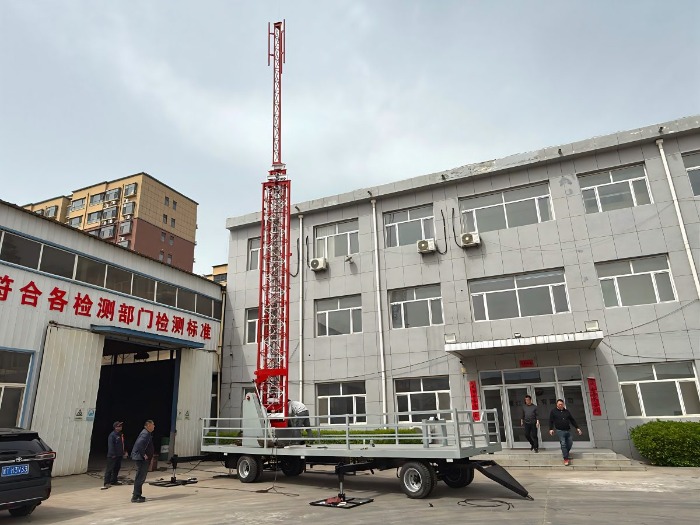

cell tower on wheels


Multi-Scenario Applications

  1. · Disaster Recovery and Emergency Response: The primary and most critical application. The self-powered, trailer-mounted units serve as independent communication nodes operating on mains power, solar, or backup generators for 24/7 reliability in challenging conditions.
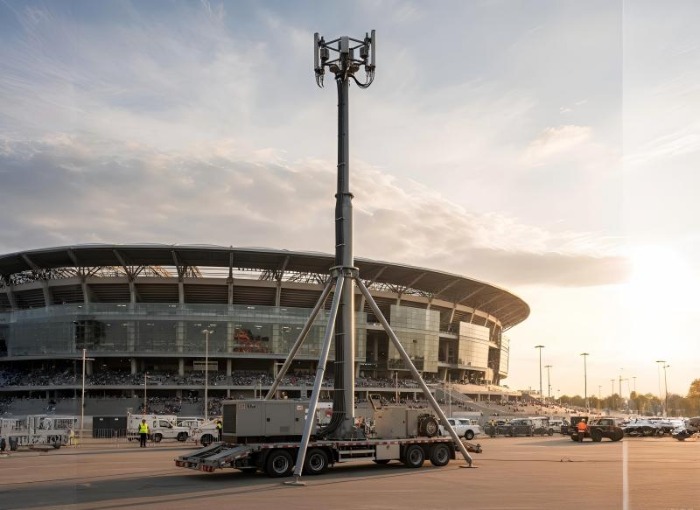
  2. · High-Capacity Events: Major concerts, sporting events, or trade shows require temporary network densification. During the 2009 Obama inauguration, 26 COW towers handled 2 million calls, boosting network capacity by 30% in Washington, D.C..
  3. · Network Bridging: COWs maintain service continuity during permanent site construction, upgrades, or repairs. A mobile unit can be deployed on a temporary basis to replace an existing tower while modernization work proceeds.
  4.  ·Military and Tactical Operations: COWs support secure 5G/4G networks in remote or denied areas. EMP-hardened electronics and customizable radar-absorbent camouflage skins are available for tactical applications.
  5. · Rural and Remote Coverage: In developing regions where network expansion is ongoing, COWs provide rapid coverage deployment, extending capacity to underserved populations while permanent infrastructure catches up.

Power Systems and Autonomy

A COW is only as effective as its power system. Typical configurations offer:

  1. Integrated Diesel Generator: Primary power source, typically sized between 5 kW and 60 kW depending on configuration. The 40-meter heavy-duty COW uses a 45–60 kVA generator with a fuel capacity of 800–1,200 liters.

  2. Battery Backup: 48V DC battery banks ensure continuous operation during generator cycling or brief outages, providing 12–24 hours of runtime on battery alone.

  3. Solar Hybrid Systems: Solar panels extend operational endurance in sunny climates, reducing fuel consumption and maintenance intervals. Dubai-based Enerwhere deploys hybrid solutions combining solar plants with diesel generators, monitored via cloud-based remote management platforms for 24/7 tracking.
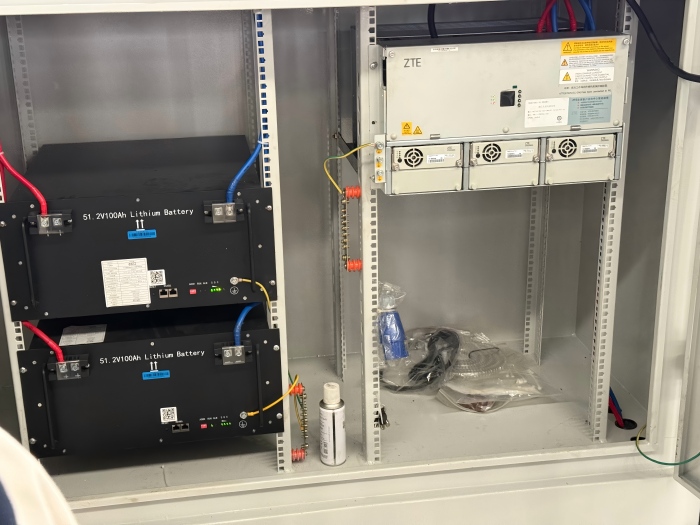

integrated communication shelter


Key factors affecting system design are total load (antennas, radios, climate control), required runtime (dependent on generator size and fuel capacity), refueling logistics (particularly critical in remote disaster zones), and environmental conditions (extreme heat reduces generator efficiency and battery capacity).


Structural Engineering and Material Selection

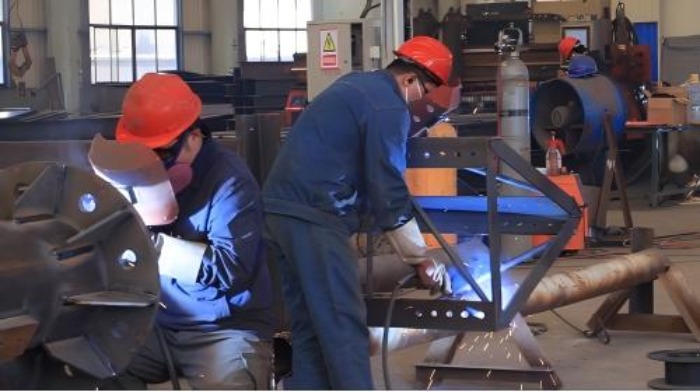
Heavy-duty COWs are constructed from high-strength low-alloy (HSLA) steel, such as Q355B or ASTM A572 Gr. 50, selected for an optimal strength-to-weight ratio. Structural design adheres to ANSI/TIA-222 standards for tower integrity, while trailers must meet DOT/ECE roadworthiness regulations.

All steel components undergo hot-dip galvanizing per ASTM A123, providing a zinc coating of ≥85 µm that ensures 20–30 years of corrosion protection—critical for assets exposed to road salt, coastal environments, and weather extremes.

The mast system is engineered for both operational wind loads up to 90 km/h at full extension, and survival wind speeds of 160 km/h when stowed. Four hydraulic outriggers provide a stabilization span of up to 6 meters, distributing ground pressure to less than 15 psi with 1 m² stabilizer pads.

Payload capacity for antennas and radios ranges from 150 kg for compact units to 800 kg for the 40-meter class, supporting up to 12 sector antennas, 4–8 microwave dishes, and 3–4 RRUs or 5G mMIMO units.


Full Lifecycle Cost Analysis

Understanding total cost of ownership is essential for operators evaluating COW acquisitions.
  1. · Capital Expenditure (CAPEX): Purchase costs range from 150,000 for a fully equipped COW. Leasing arrangements are available, with short-term rentals providing deployment flexibility without long-term capital commitment.
  2. · Operational Expenditure (OPEX): Fuel consumption—the largest variable cost—varies significantly by generator size and runtime requirements. Heavy-duty units can consume substantial fuel per 24-hour operating period. Maintenance costs for generators, hydraulic systems, and trailers typically run 15–20% of fixed infrastructure maintenance costs, thanks to lower utilization hours.
  3. · Transport and Logistics: Deployment costs depend on distance to site and any specialized transport permits required for oversized loads. The 40-meter class requires a Class 8 semi-truck for towing.
  4. · Annual Fleet Management: Professional fleet management services, such as 24/7 network monitoring, remote diagnostics, scheduled maintenance, and integration with emergency management protocols—as implemented by the NSW Telco Authority's fleet—add to OPEX but ensure readiness and reduce emergency response costs over time.
  5. · Comparison with Permanent Towers: A permanent cell site typically costs $250,000+ to construct, plus ongoing site lease and maintenance. For short-term deployments (weeks to months), COWs offer a compelling CAPEX advantage. However, for long-duration (multi-year) temporary needs, the purchase price of a COW plus cumulative fuel and maintenance may approach the cost of a permanent solution.

Design Variations and Specialized Configurations

  1. Heavy-Duty COW (Standard): Built on a DOT-approved trailer with walk-in, air-conditioned equipment shelter supporting multiple radio racks. Features integrated high-output diesel generator and hydraulic stabilization. Antenna height: 15–30 meters. Best for festivals, sports events, and network bridging.
  2. Mini-COW/Compact Rapid Deploy (CRD): Smaller footprint, towable by standard pickup truck. Features lightweight pneumatic or manual winch mast. Antenna height: 10–18 meters. Setup: less than 15 minutes. Ideal for disaster recovery and small cell densification.

  3. cell tower on wheels

  4. Cell on Light Truck (COLT): Completely self-contained truck-mounted unit with two retractable masts, microwave antenna, emergency generator, and small office. Price tag: approx. $500,000. Highly mobile but higher CAPEX.
  5. Satellite-Trailer Configurations: For operations in areas with zero fiber or microwave infrastructure, units with 2.5-meter satellite dishes provide dedicated satellite backhaul. These systems are used for combat communications and deepest-coverage scenarios.
  6. Flying COW® (Cell on Wings): Drone-mounted 5G cell sites deployable from the air, providing coverage where ground access is impossible. AT&T introduced the first 5G Flying COW in 2022, operating as a drone-based cell site.

Safety and Compliance Framework

COW operations must comply with structural safety, road transport, and fall protection regulations.
  1. · ANSI/ASSE A10.48 establishes safety criteria for construction, demolition, modification, and maintenance of communication structures. OSHA requires 100% fall protection at elevations above 6 feet, mandating vertical lifeline systems over ladder cages.
  2. · TIA-222-H/I governs structural loading criteria for antenna-supporting structures, defining wind and ice loading based on location. COWs must meet at least the requirements for temporary structures, though many operators specify full permanent-structure standards for emergency assets that may face extreme events.
  3. · DOT/ECE requirements cover trailer lighting, braking systems, weight limits, and coupling safety—critical for safe highway transport.
  4. · IEC 62305 Level 1 lightning protection is standard for COWs deployed in exposed locations. Systems incorporate air terminals (lightning rods) at the mast apex, down-conductors integrated into the steel structure, and surge protective devices (SPDs) on all electrical and data lines entering the equipment enclosure.
  5. · IP55/IP67 environmental ratings ensure enclosures withstand dust ingress and water jets, essential for operations in rain, coastal spray, and dusty disaster zones.

cell on wheels


Performance Metrics and KPI Definition

When evaluating COW specifications, experienced engineers focus on:

  1. · Deployment Time: 30 minutes to 8 hours depending on height and complexity

  2. · Coverage Radius: 500 meters to 5 km, varying with antenna height and local terrain

  3. · User Capacity: Hundreds to thousands of concurrent users per unit

  4. · Operational Availability: 24/7 uptime with redundant power and backhaul

  5. · Payload Flexibility: 150–800 kg antenna and RRU capacity

  6. · Environmental Endurance: -40°C to +55°C operating range, 90 km/h operational wind


Conclusion: A Strategic Asset for Network Resilience

The COW has evolved from a niche tool for temporary coverage into a strategic asset for network resilience. As 5G networks expand into challenging territories and extreme weather events grow in frequency, the ability to restore connectivity within hours—not days—will become an increasingly critical capability.

For telecom engineers selecting COWs, the decision framework must consider not just immediate deployment needs but the entire lifecycle: the structural margin for future upgrades, the fuel efficiency of generator systems, the compatibility with emerging satellite backhaul networks, and the serviceability of hydraulic components in remote conditions. The best COW is not necessarily the tallest or the most powerful, but the one that balances each of these factors against the specific operational demands of the intended mission—and that will still be serviceable a decade from now.


Ready to add COW capabilities to your emergency response fleet? Contact our engineering team today for custom COW specifications, deployment planning, and long-term fleet management solutions.


 Learn more at   www.alttower.com

 

Contact Us

Leave A Message

Leave A Message
If you are interested in our products and want to know more details,please leave a message here,we will reply you as soon as we can.
Submit

Home

Products

whatsapp

contact