
 français
 русский
 español
 العربية
Search
What Are You Looking For?
Search

A Cell on Wheels (COW) is a mobile cell site that is used to provide temporary cellular network coverage and capacity in areas where there is a surge in demand or where permanent infrastructure is unavailable or insufficient. For high-quality cellular on wheels products, Altai Tower provides customized solutions.
To understand how a cellular on wheels system works, it’s essential to know its hardware structure:
1.Telescopic Mast: The height-adjustable tower (usually 15m to 40m) that supports antennas.
2.Base Transceiver Station (BTS): The heart of the mobile site for signal processing.
3.Power System: Includes on-board diesel generators and battery backups for 24/7 operation.
4.Backhaul Link: Satellite dish, microwave link, or fiber optic connection to the core network.
5.Trailer Chassis: A heavy-duty mobile platform for rapid transport to remote sites.
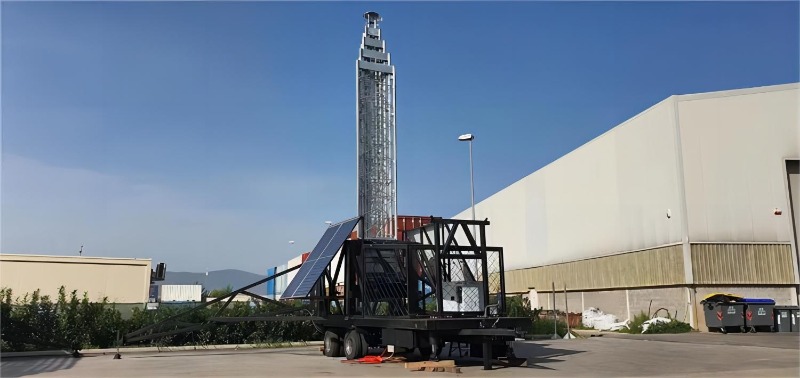
1. Deployment: When there is a need for additional cellular coverage, such as during events, emergencies, or network upgrades, a Cell on Wheels is transported to the location where it is required. The COW is typically mounted on a truck, trailer, or another mobile platform for easy transportation.
2. Setup: Once the Cell on Wheels arrives at the designated location, it is set up and deployed by a team of technicians. The setup process involves erecting the antenna mast, connecting the necessary cables, and configuring the equipment to establish a connection with the existing cellular network.
3. Connection: The Cell on Wheels is connected to the core network of the cellular service provider through backhaul links, such as fiber optic cables, microwave links, or satellite connections. This connection allows the COW to access the network's resources and provide cellular service to users in the area.
4. Coverage: The Cell on Wheels is equipped with antennas that transmit and receive cellular signals. These antennas are typically mounted on a telescoping mast to increase their height and coverage area. By broadcasting signals over a wider area, the COW can provide enhanced cellular coverage and capacity to users in the vicinity.
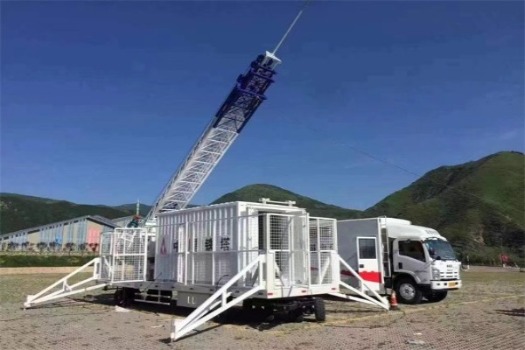
5. Capacity Enhancement: In addition to extending coverage, a Cellular on Wheels can also help improve network capacity in areas with high user demand. By offloading traffic from existing cell sites to the COW, the overall network performance can be enhanced, ensuring that users experience reliable and high-quality cellular service.
6. Temporary Solution: COWs are designed to be temporary solutions for addressing short-term needs for cellular coverage and capacity. Once the temporary need is met or permanent infrastructure is installed, the COW can be demobilized and moved to another location as required.
7. Flexibility: The mobility and flexibility of COWs make them ideal for a variety of applications, including events, disaster recovery, construction sites, and network upgrades. They can be rapidly deployed and repositioned to adapt to changing network requirements.
8. Monitoring and Management: Cellular on Wheels units are typically monitored and managed remotely to ensure optimal performance and reliability. Network operators can remotely adjust settings, monitor traffic patterns, and troubleshoot issues to maintain seamless cellular service.
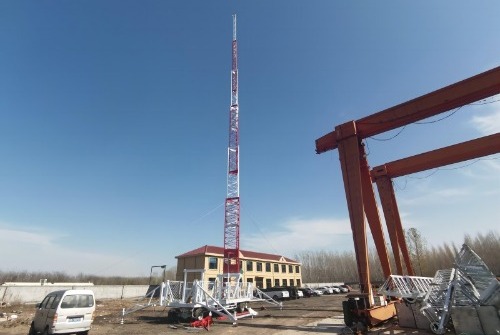
While permanent towers are the backbone of long-term infrastructure, cellular on wheels units offer unique advantages for specific scenarios:
| Feature | Cell on Wheels (COW) | Permanent Cell Tower |
| Setup Time | 4 to 24 Hours | Months of Construction |
| Mobility | High (Trailer-mounted) | None (Fixed foundation) |
| Cost | Significantly Lower | High (Land, Labor, Permits) |
| Best For | Events, Emergencies, Testing | Long-term Urban Coverage |
In summary, a Cell on Wheels is a mobile cell site that provides temporary cellular coverage and capacity in areas where additional network resources are needed. By deploying a COW, cellular service providers can quickly and efficiently address short-term demands for coverage and capacity, ensuring that users have access to reliable communication services when and where they need them.
Q: What is the maximum height of a Cell on Wheels mast?
A: Most cell on wheels units feature telescopic masts ranging from 18 to 38 meters, depending on the coverage requirements.
Q: How is a cellular on wheels connected to the network?
A: It uses backhaul technologies such as microwave line-of-sight, satellite link, or physical fiber connection to integrate into the provider’s core network.
Q: How long can a COW site stay in one location?
A: While designed for temporary use (days to months), high-quality cell on wheels from Altai Tower can operate reliably for over a year if necessary.
Learn more at www.alttower.com




 IPv6 network supported